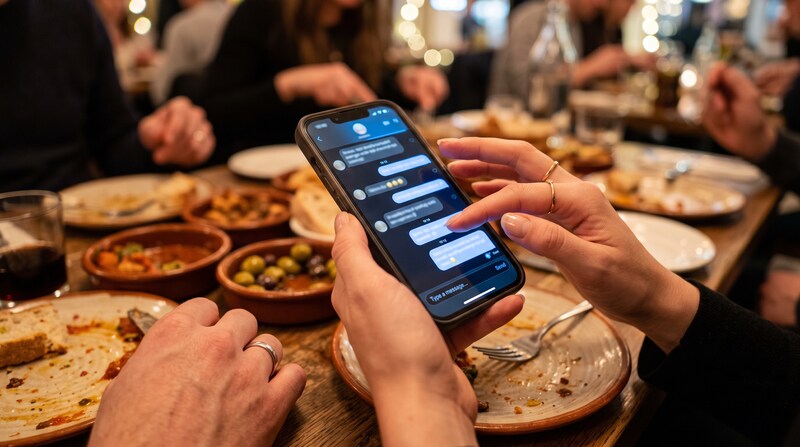
More diners now ask an AI tool where to eat. In October 2026, the Zonal and NIQ GO Technology report, a survey of more than 5,000 UK consumers, found that 19% already use AI to plan restaurant visits and half are considering it. In London the figure is 39%, against 16% elsewhere, and 34% of Gen Z already do it. Of those using AI, 45% look for reviews, 43% for prices and 38% for menus.
Nobody can guarantee what ChatGPT, Gemini or Perplexity will recommend. But these tools favour restaurants they can understand and trust, and that is something you can work on.
1. Get your Google Business Profile right
AI tools lean heavily on Google's local data. Make sure your name, address, phone number, hours, menu link and booking link are correct, your primary category is specific (for example "Thai restaurant", not just "restaurant") and your photos are recent.
2. Make your details match everywhere
Your website, Google, TripAdvisor, booking platform and social profiles should all say the same thing. Conflicting hours or old addresses make you harder to trust.
3. Keep reviews coming and reply to them
Reviews are the first thing AI users look for. Ask happy customers for a review every week, and reply to every one, good or bad. Replies that mention your dishes and your area help these tools understand what you are known for.
4. Put your menu and prices on a web page
Prices and menus are the next things people look for. A PDF menu is hard for AI tools to read. A proper menu page with dishes, prices and dietary information is easy to read and easy to quote.
5. Answer the questions diners ask
Add clear, short answers to the questions people ask about you: do you take bookings, is there parking, can you cater for allergies, are you good for groups, do you have a private room. AI tools look for direct answers.
6. Add structured data to your website
Structured data (schema markup) tells search engines and AI tools exactly what your business is: a restaurant, its cuisine, address, opening hours and menu. Most restaurant websites don't have it.
7. Get mentioned on sites AI tools trust
Local press, food guides, “best of” lists and respected blogs all feed what AI tools know about you. One good mention in a trusted local guide is worth more than dozens of low-quality directory listings.
8. Check what AI tools say about you
Ask ChatGPT, Gemini and Perplexity the questions your customers would ask, such as “best Thai restaurant near me” or “where to eat in [your area] for a birthday”. Note whether you appear and what they say, and check again every month.
Where to start
Most of this is good SEO done properly, which is why we include AI search in every plan. If you want to know where your restaurant stands, get a free audit or read more about AI SEO for restaurants.
Source: Zonal and NIQ, GO Technology report, October 2026.
Want this done for you? Get a free proposal.